
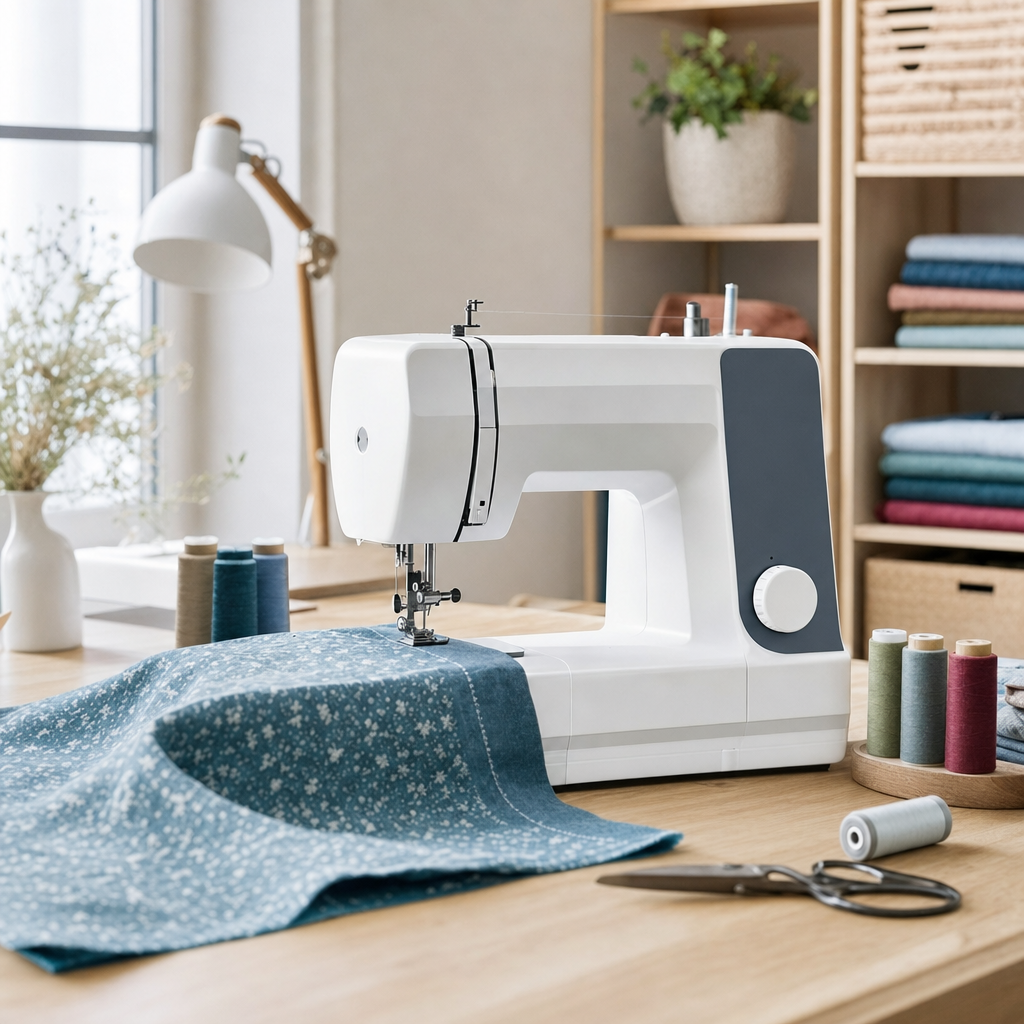
Understanding Your Options in Modern Sewing Machines
When searching for the best sewing machine, the sheer variety available on the market can feel overwhelming for beginners and experienced sewists alike. Modern machines generally fall into three primary categories: mechanical, computerized, and heavy-duty models. Mechanical machines are traditional, operated manually through dials and levers, and are often praised for their durability and straightforward operation. They excel at basic stitching, mending, and simple garment construction without requiring users to navigate complex digital menus or electronic settings.
Computerized sewing machines represent the technological evolution of the craft, offering hundreds of built-in stitches, automated buttonholes, and precise stitch length and width adjustments controlled via LCD screens. These devices are exceptionally versatile, making them ideal for quilters, embroiderers, and garment makers who require consistent precision across diverse fabric types. Heavy-duty machines, on the other hand, feature robust metal frames and stronger motors designed specifically to pierce through multiple layers of denim, canvas, and leather without bogging down or skipping stitches.
Key Features to Evaluate Before Making a Choice
Evaluating specific features is essential to determining which machine aligns with your daily crafting habits and project goals. Stitch variety is often the first feature people look at, though most everyday sewing only requires straight stitches, zig-zags, and a reliable buttonhole function. However, if you plan on quilting or decorative home decor projects, having specialized stitches and a wider throat space becomes critically important for maneuvering bulky quilts and large panels of fabric comfortably under the needle.
Another vital consideration is the bobbin system, which can be either top-loading (drop-in) or front-loading. Drop-in bobbins are generally favored by beginners because they allow you to see at a glance how much thread remains, and they are notoriously easy to insert without tangling. Additionally, adjustable presser foot pressure, automatic needle threaders, and speed control sliders significantly enhance user comfort and reduce hand fatigue during extended crafting sessions.
Essential Accessories and Maintenance Practices
Owning a quality machine is only half the battle; proper maintenance and the right accessories ensure your equipment performs reliably for years. Routine maintenance involves cleaning lint out of the bobbin case using a small brush, oiling specific mechanical parts as recommended in your user manual, and changing the needle frequently. A dull or bent needle is the number one cause of skipped stitches, fabric puckering, and thread breakage, yet it is the easiest issue to fix by simply swapping it out for a fresh one.
Investing in specialized presser feet can also dramatically expand your machine capabilities without requiring a new purchase. Standard accessories usually include a zipper foot, buttonhole foot, and general zigzag foot, but adding a walking foot for quilting or a rolling hem foot for delicate fabrics transforms your output. Keeping a stock of quality polyester thread and spare bobbins wound correctly prevents tension headaches and ensures smooth, professional-looking seams on every single project.
Matching Your Machine to Your Sewing Ambitions
Different creative paths demand different machine specifications, meaning the ideal device for a garment maker might not suit a dedicated quilter. Garment construction requires accurate seam allowances, reliable stretch stitches for knits, and precise buttonhole creation. Look for machines that offer adjustable foot pressure and a free arm, which makes sewing narrow cuffs, sleeves, and necklines infinitely easier without accidentally stitching opposite sides of the fabric together.
Quilting enthusiasts, conversely, should prioritize extended throat space, an extension table for large quilt sandwiches, and a knee lifter that allows you to raise the presser foot while keeping both hands on your fabric. Crafters who focus on home decor, bag making, or upholstery need piercing power and high-speed stability. Assessing your primary creative focus prevents you from overspending on computerized embroidery features you may never use, or conversely, underspending on a machine that struggles with thick materials.
Common Troubleshooting Steps for Home Sewists
Every crafter eventually encounters frustrating sewing machine quirks, but most common issues can be resolved at home with a few methodical troubleshooting steps. Thread bunching underneath the fabric, often called birdnesting, is almost always caused by improper upper threading. When the presser foot is down, the tension discs are engaged; if you thread the machine with the presser foot up, the thread sits loosely outside the discs, resulting in loose, tangled loops beneath the material.
Fabric puckering and skipped stitches can typically be resolved by checking your needle size against your fabric weight, rethreading both the top and bobbin threads, and cleaning out accumulated dust. Keeping a troubleshooting checklist handy saves time and minimizes frustration during late-night crafting sessions when local repair shops are closed.
Frequently Asked Questions
What is the difference between a mechanical and a computerized sewing machine?
Mechanical machines use manual dials and levers for basic stitches and are prized for durability. Computerized machines use electronic screens to offer hundreds of automated stitch patterns, memory functions, and precise digital adjustments.
How often should I clean and oil my sewing machine?
You should clear out lint and dust from the bobbin area after every few projects or heavy sewing sessions. Oiling depends on the specific model, but many modern machines require minimal lubrication, so always consult your manual.
Why is my sewing machine thread constantly breaking?
Thread breakage is usually caused by an old or bent needle, incorrect threading of the upper tension discs, low-quality thread, or an improperly inserted bobbin. Re-threading the machine completely often solves the problem.
Can a beginner use a heavy-duty sewing machine?
Yes, beginners can use heavy-duty machines. They are durable and straightforward, though they operate with stronger motors and sturdier frames meant to pierce thick materials like denim and canvas easily.
Article Was Generated By AI.