
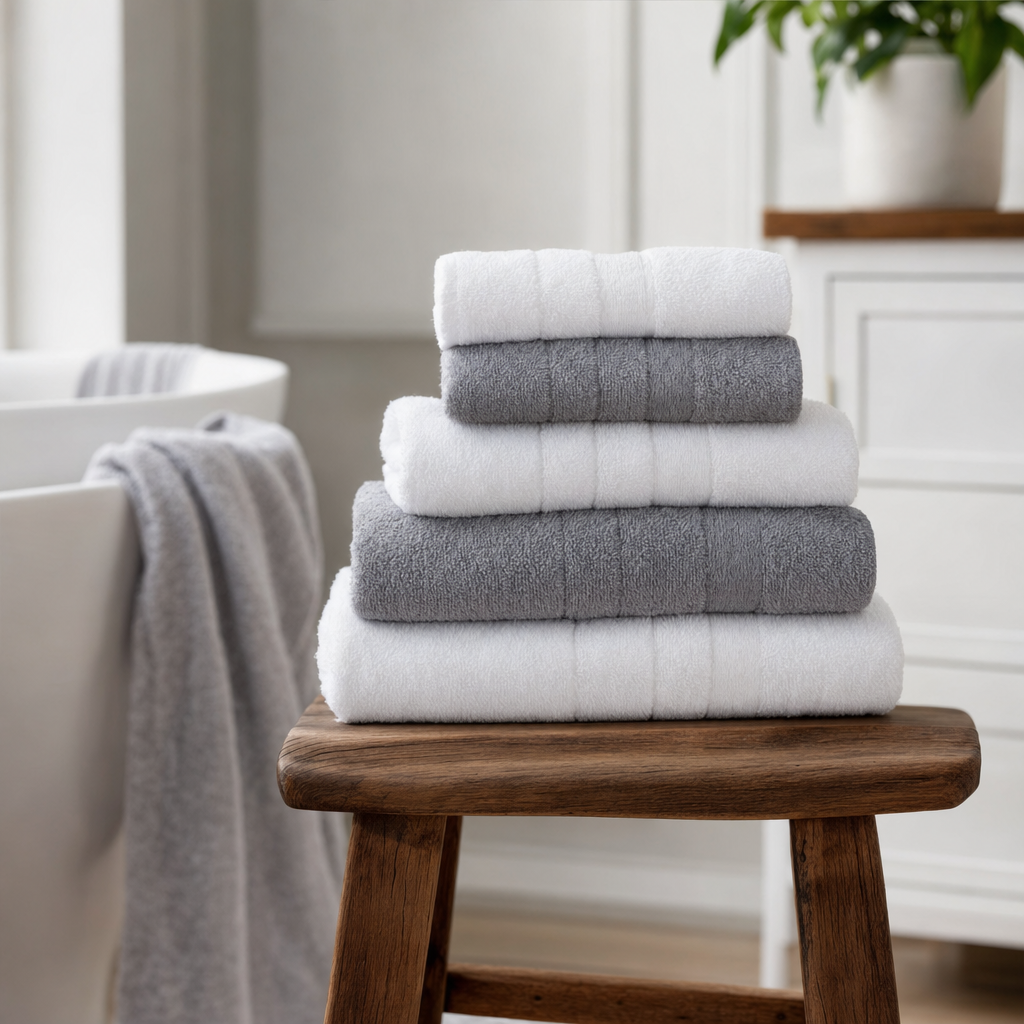
Introduction to Bath Towel Quality and Materials
When exploring the market for the best bath towels, consumers quickly realize that not all textiles are created equal. The foundation of any high-performing towel lies in the specific type of fiber used during manufacturing. Cotton remains the absolute gold standard due to its natural ability to absorb moisture efficiently while maintaining a soft texture against the human skin. Within the category of cotton, premium variants like Egyptian, Turkish, and Pima cotton stand out because their extra-long staple fibers create smoother, stronger, and more resilient yarns. These superior fibers result in less pilling over time, ensuring that the fabric retains its luxurious feel even after numerous cycles through a standard home laundry machine.
Beyond traditional upland cotton, alternative sustainable fibers have gained significant popularity among eco-conscious households seeking high performance. Bamboo rayon and modal offer incredible silkiness and boast natural antimicrobial properties that help prevent musty odors caused by damp environments. Linen is another traditional choice, prized for its exceptional breathability and quick-drying nature, though it requires a brief break-in period to achieve optimal softness. Understanding these material differences allows individuals to match their specific climate, personal sensory preferences, and bathroom aesthetic with the textile that will perform most reliably day in and day out across years of regular use.
Decoding GSM Ratings and Weight Specifications
A critical yet often misunderstood metric when evaluating the best bath towels is the Grams per Square Meter rating, commonly abbreviated as GSM. This measurement indicates the density and weight of the fabric, serving as a reliable proxy for thickness and absorbency potential. Towels generally fall into distinct weight categories, starting with lightweight options under 400 GSM that excel in gym bags or travel kits due to their rapid drying times. Medium-weight towels ranging from 400 to 600 GSM strike a versatile balance, offering substantial plushness without requiring an excessive amount of time to dry completely on a standard bathroom towel bar between uses.
Heavyweight towels exceeding 600 GSM provide that luxurious, spa-like experience many homeowners prefer for master bathrooms. However, higher density also means heavier wet weight and significantly longer drying times, which can present challenges in humid climates or poorly ventilated spaces. When selecting a GSM rating, it is essential to consider your daily routine, laundry capacity, and bathroom airflow. A busy family might prefer moderate weights for everyday convenience, while guest bathrooms often showcase heavier options to deliver an immediate impression of luxury and comfort upon arrival.
Evaluating Weave Types: Terry, Waffle, and Jacquard
The construction method or weave style heavily dictates how a towel interacts with moisture and how it feels on the skin. The traditional loop-pile terry weave is the most common, featuring thousands of tiny uncut loops that maximize the surface area available for liquid absorption. A dense, tightly packed terry loop provides maximum plushness and moisture retention. On the other hand, combed and ring-spun cotton variations within the terry category offer distinct advantages, as ring-spun yarns twist long and short fibers together for enhanced strength, while combed cotton removes shorter fibers to eliminate roughness and reduce lint shedding during early washes.
Alternative weaves like the textured waffle pattern bring unique benefits to modern bathrooms through architectural geometric grids. Waffle towels have a flat, honeycombed surface that expands slightly when wet, pulling moisture away from the body efficiently while promoting rapid airflow across the entire fabric structure. Jacquard weaves incorporate intricate patterns directly into the loom, often blending different textures and pile heights for decorative appeal. Exploring these structural differences ensures that your towel choice aligns not just with visual aesthetics, but with practical drying efficiency and tactile comfort requirements.
Practical Maintenance and Longevity Best Practices
Maintaining the structural integrity and absorbency of the best bath towels requires proper laundering techniques that avoid common chemical pitfalls. Fabric softeners and dryer sheets should be strictly avoided when washing high-quality cotton towels, as they coat the fibers in a waxy residue that dramatically reduces water absorbency over time. Instead, adding a half cup of white vinegar to the rinse cycle periodically helps strip away detergent buildup and naturally revives the fluffiness of the pile loops. Washing towels in warm water rather than scorching hot temperatures also protects natural fibers from premature degradation and prevents excessive shrinkage.
Proper drying habits are just as important as washing protocols for extending the lifespan of your bathroom linens. Shaking out towels before placing them in the dryer helps restore loft, and tumbling them on a medium or low heat setting prevents fiber scorching. Never leave damp towels bunched in a hamper or hanging in a poorly ventilated heap, as mold and mildew can develop within hours, ruining both the fabric and the hygienic quality of the textile. Hanging towels unfolded across a wide towel bar guarantees proper air circulation, keeping them fresh and ready for their next use.
Key Considerations Checklist for Towel Selection
Navigating the vast array of available options can become overwhelming without a structured framework to guide your decision-making process. By breaking down your household needs into specific criteria, you can systematically filter out unsuitable products and focus on textiles that offer genuine long-term value. Consider factors such as household member preferences, laundry frequency, bathroom humidity levels, and existing decor colors before committing to a specific purchase. A thoughtful approach prevents impulse buying and ensures that your chosen textiles meet both functional demands and aesthetic standards.
To simplify your evaluation, keep the following core factors in mind when comparing different towel options on the market:
- Fiber composition: Prioritize 100% long-staple cotton, bamboo, or linen for superior durability and absorbency.
- Weight and GSM: Match the 300 to 900 GSM range to your local climate and personal drying preferences.
- Construction style: Choose between plush terry loops for maximum comfort or quick-drying waffle weaves for high-humidity spaces.
- Size dimensions: Verify standard bath sheet versus standard bath towel measurements to ensure adequate coverage.
Taking the time to assess these specific variables will yield a much more satisfying experience than simply choosing based on appearance alone. High-quality linens represent an investment in daily comfort, and treating them with informed care ensures they remain a welcoming part of your daily routine for years to come.
Frequently Asked Questions
What does GSM stand for in bath towels?
GSM stands for Grams per Square Meter, which measures the density and weight of the fabric. Higher GSM numbers indicate a thicker, heavier, and generally more absorbent towel, while lower numbers represent lighter, faster-drying options.
Why do my towels lose their absorbency over time?
Towels typically lose absorbency due to the buildup of body oils, mineral deposits, and chemical residues from liquid fabric softeners or dryer sheets. Using white vinegar during washing helps strip this buildup and restores the original absorbency.
How often should bath towels be washed?
Bath towels should generally be washed after every three to four uses under normal conditions. Hanging them up to dry completely between uses helps prevent bacteria and mildew growth, keeping them hygienic for a few consecutive days.
What is the difference between a bath towel and a bath sheet?
A standard bath towel typically measures around 27 by 52 inches, designed for everyday drying. A bath sheet is significantly larger, often measuring 35 by 60 inches or more, providing extra coverage and wrap-around comfort.
Article Was Generated By AI.