
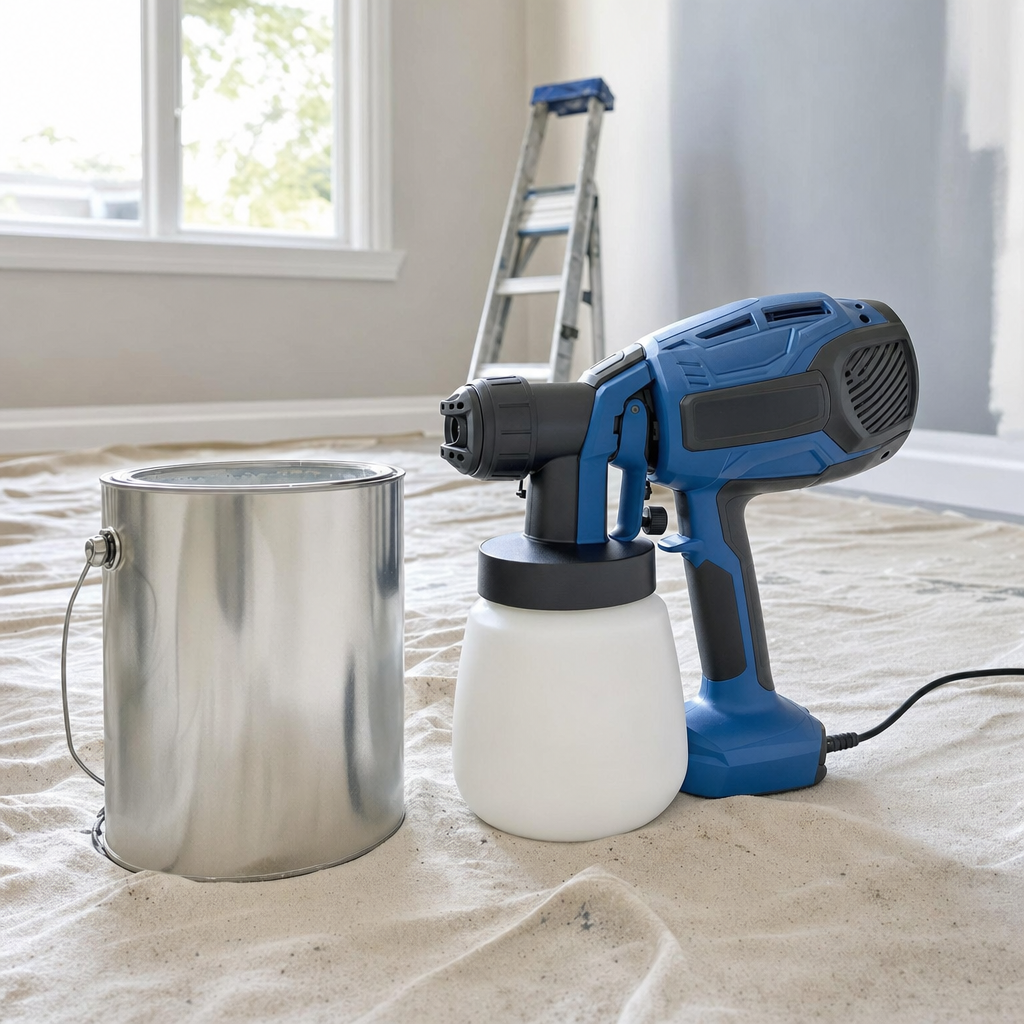
Understanding Interior Paint Sprayers
When homeowners search for the best paint sprayer for interior walls, they are usually looking for a faster, more uniform alternative to traditional brushes and rollers. Paint sprayers atomize liquid paint into a fine mist, propelling it evenly across drywall, plaster, and textured surfaces. This technology significantly reduces brush marks and roller stippling, resulting in a smooth finish that resembles professional millwork. However, achieving this level of quality requires understanding how different mechanical systems atomize paint and how they interact with various interior formulations, such as latex, acrylics, and oil-based coatings.
The primary mechanism behind these tools involves forcing paint through a small fluid tip at high pressures or using high volumes of air at low pressures. The choice of tip size, motor horsepower, and material delivery method directly influences how much overspray is produced and how quickly you can cover a standard room. While rollers absorb and distribute paint manually, sprayers rely on consistent trigger pulls and steady arm movements to maintain film thickness. Recognizing these operational differences helps users set realistic expectations regarding preparation time, masking requirements, and the learning curve associated with mastering spray gun techniques.
Types of Sprayers Suited for Indoor Surfaces
Airless paint sprayers are among the most powerful options available for interior painting projects. They rely entirely on hydraulic pressure to force paint through a specialized tip, eliminating the need for compressed air. This design allows them to handle thick, unthinned architectural coatings with ease, making them ideal for spraying entire houses or large open-concept rooms rapidly. Because they deliver high output rates, airless units cover vast surface areas in a fraction of the time it takes to roll, though they also generate a significant amount of overspray that demands thorough room containment and masking.
High-Volume Low-Pressure systems, commonly known as HVLP sprayers, offer an alternative approach by using a high volume of air to propel paint at lower pressures. This reduced velocity results in a softer spray pattern that yields exceptional transfer efficiency and dramatically less overspray. HVLP units are frequently chosen for smaller interior projects, doors, trim, and cabinets where precision matters more than raw speed. While traditional HVLP units may require paint thinning to pass smoothly through the needle and nozzle, turbine-driven models provide heated air that accelerates drying and improves atomization quality for fine-finish work.
Key Specifications and Features to Evaluate
Evaluating paint sprayer specifications involves looking closely at flow rate, tip compatibility, and motor design. The flow rate, measured in gallons per minute or ounces per minute, dictates how quickly the machine dispenses material. For interior walls, a flow rate between 0.24 and 0.35 gallons per minute strikes a practical balance between speed and control. Additionally, checking whether the unit accepts reversible spray tips is crucial, as these tips allow users to easily clear clogs by simply twisting the nozzle 180 degrees and triggering the gun to blow out the obstruction.
Another critical factor is the power source and mobility configuration of the equipment. Stand-mounted airless units often draw paint directly from a one-gallon or five-gallon bucket through a suction tube, which eliminates the need for frequent refills during large wall projects. Conversely, handheld cup sprayers integrate the paint reservoir directly onto the tool, offering incredible portability for closets, accent walls, and tight hallways, though the added weight of the paint-filled cup can cause arm fatigue during extended painting sessions.
Here are the core components and features to inspect before starting any interior painting endeavor:
- Fluid tip sizing options that accommodate primers, flat paints, and heavier satin finishes.
- Hose length and flexibility to ensure you can maneuver around corners without pulling the machine.
- Adjustable pressure controls that let you dial in the exact atomization level needed for walls versus trim.
- Easy-clean pump designs and filter placements that reduce maintenance time after use.
Essential Preparation and Masking Techniques
Using a paint sprayer indoors demands significantly more preparation than traditional rolling because atomized paint particles travel considerable distances in the air. Known as overspray, this fine dust settles on every unprotected surface, including flooring, light fixtures, furniture, and adjoining rooms. Effective containment requires sealing off doorways with heavy-duty plastic sheeting and painter’s tape, creating negative air pressure zones when possible, and covering all floors with drop cloths that will not shift underfoot. Neglecting these preparation steps often leads to hours of tedious cleanup later.
Beyond protecting the surrounding space, wall preparation involves thorough cleaning, patching, and sanding to ensure the sprayed coating adheres properly. Because sprayers apply a relatively thin, uniform film compared to thick roller naps, surface imperfections like nail pops, dents, and drywall tape seams become much more visible under reflected light. Sanding patched areas smooth and applying a compatible primer ensures a consistent surface porosity, allowing the final topcoat to maintain an even sheen and color depth across the entire wall plane.
Safe Operating Practices and Cleanup Procedures
Operating any high-pressure paint sprayer requires adherence to basic safety protocols to prevent accidents and health hazards. Atomized paint and chemical solvents release volatile organic compounds and fine particulates that can irritate the respiratory system, making the use of an appropriate respirator mask mandatory during indoor spraying. Operators should also wear safety glasses and protective clothing to avoid skin and eye contact. Furthermore, high-pressure fluid streams can pierce the skin and inject paint into the bloodstream, meaning operators should never place their hands near the spray tip while the machine is pressurized.
Proper cleanup is the single most important factor in extending the lifespan of a paint sprayer. Leftover paint dries quickly inside valves, check balls, and filters, causing permanent blockages that render the equipment useless. Water-based latex paints require thorough flushing with warm, soapy water until the discharge runs completely clear, followed by a clean water rinse. For oil-based coatings, mineral spirits or appropriate solvents must be cycled through the system until all residue is dissolved, after which moving parts should be lubricated with storage fluid to prevent corrosion.
Frequently Asked Questions
Do I need to thin paint before using an interior paint sprayer?
Whether you need to thin paint depends on the specific sprayer model and the viscosity of the coating. Airless sprayers generally handle unthinned architectural paints, whereas smaller HVLP systems often require minor thinning with water or thinners to achieve a proper spray pattern.
How do I prevent paint runs and sags while spraying walls?
Prevent runs by keeping the spray gun perpendicular to the wall, maintaining a consistent distance of about 10 to 12 inches, and overlapping each pass by 50 percent. Moving your arm at a steady, continuous pace rather than arching your wrist helps ensure an even coat.
Is it faster to use a paint sprayer than a roller for interior walls?
Spraying walls is exceptionally fast compared to rolling, but the time saved on the actual painting phase is often offset by the extensive masking and preparation required to protect non-painted surfaces from overspray.
Article Was Generated By AI.