
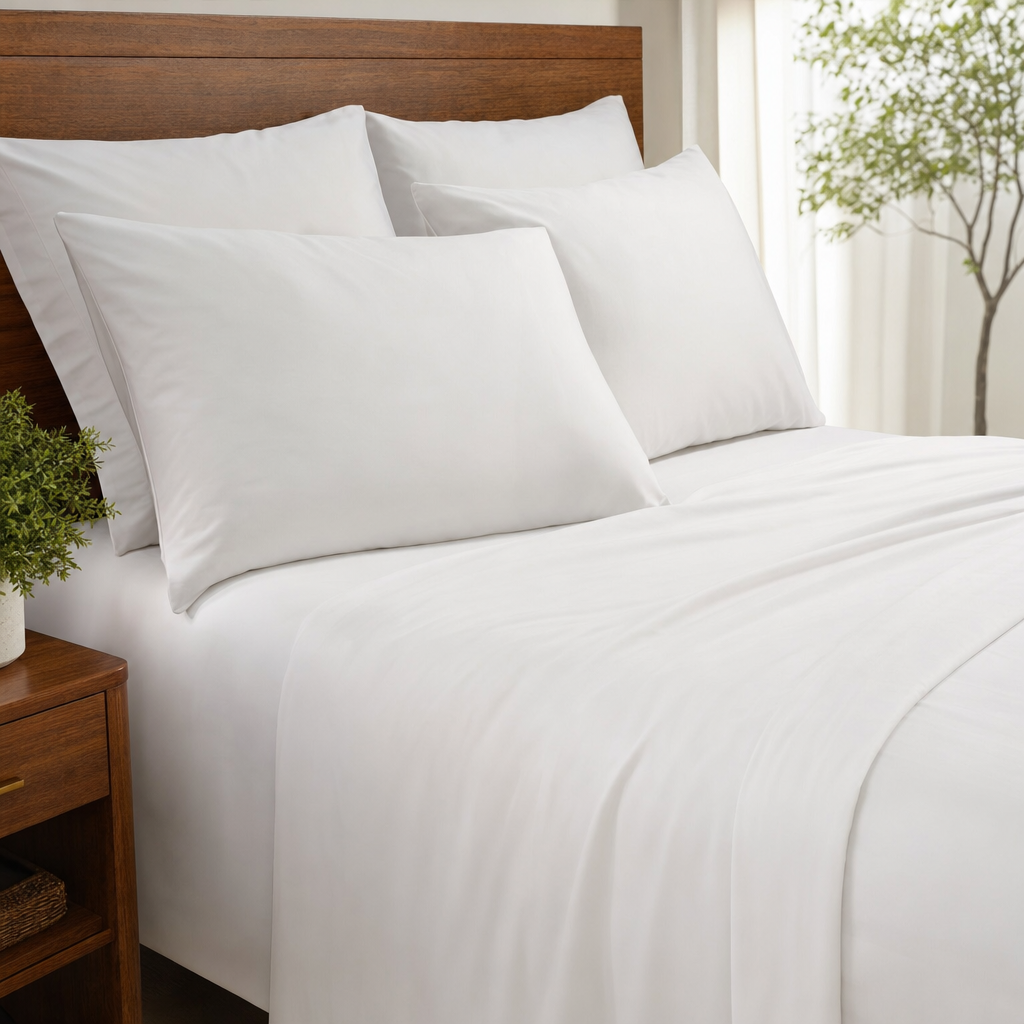
Understanding Bed Sheet Materials and Their Unique Properties
When searching for the best bed sheets, the material you choose serves as the foundational element that determines your overall sleeping experience. Cotton remains the most popular choice globally due to its breathability, natural softness, and durability across various climates and seasons. Within the cotton category, staple lengths matter significantly because longer fibers create smoother, stronger, and more lustrous yarns that resist pilling over years of washing. Egyptian and Supima cottons are particularly renowned for their superior staple lengths, which translate directly into a luxurious feel against the skin and remarkable longevity under regular use.
Beyond traditional cotton, alternative fibers have gained immense popularity for addressing specific sleep preferences and environmental considerations. Linen, derived from the flax plant, offers exceptional breathability and moisture-wicking properties, making it an ideal choice for hot sleepers or warm summer months. Although linen initially feels crisp, it softens noticeably with every single wash while maintaining a relaxed, textured aesthetic. Meanwhile, silk and bamboo-derived rayons provide a silky-smooth drape and natural temperature regulation, catering to individuals with sensitive skin or those who prefer a cooler, more slippery texture against their bodies throughout the night.
Decoding Weaves: Percale, Sateen, and Flannel Explained
The way fibers are woven together fundamentally transforms how bed sheets feel, look, and perform on your mattress. A percale weave utilizes a traditional one-over, one-under pattern that creates a matte finish and a crisp, cool-to-the-touch sensation reminiscent of high-end hotel bedding. This particular construction promotes optimal airflow, preventing heat retention and making percale an outstanding option for people who tend to overheat or sweat during the night. The balanced structure also contributes to high durability, ensuring the fabric withstands frequent laundering without losing its signature crispness and structural integrity.
In contrast, a sateen weave floats more threads over the surface in a four-over, one-under pattern, producing a noticeable sheen and a remarkably silky hand-feel. Because more threads are exposed on the surface, sateen feels slightly heavier and drapes more closely around the body, which helps trap warmth for individuals who feel cold at night. However, this heavier drape and exposed thread structure can make sateen slightly more susceptible to snagging compared to percale. Flannel represents yet another distinct weaving style, brushed on one or both sides to create fuzzy pockets that trap body heat, offering supreme insulation for winter months.
The Truth About Thread Count and Marketing Myths
Consumers often rely on thread count as the primary indicator of sheet quality, yet marketing campaigns have heavily skewed public perception. Thread count technically refers to the number of horizontal and vertical threads woven into one square inch of fabric, but higher numbers do not automatically guarantee superior comfort. Manufacturers sometimes inflate these numbers using multi-ply yarns, twisting multiple thin strands together to artificially multiply the count on the label, which often results in heavier, less breathable sheets. True quality depends far more on the inherent quality of the raw fiber than on hitting an arbitrary high thread count.
Industry experts generally agree that quality cotton sheets fall within a sweet spot ranging from 300 to 600 true thread count. Anything significantly below 200 may feel sparse or prone to tearing, while numbers exceeding 800 frequently indicate multi-ply trickery or dense weaves that restrict vital airflow. Understanding this distinction empowers you to look past flashy marketing terms on packaging and focus on tactile qualities, fiber origin, and weave type. Prioritizing material integrity over numerical metrics ultimately leads to a much more satisfying and comfortable bedding investment for your bedroom.
- Check fiber origin: Look for labeled terms like 100% long-staple cotton, certified flax linen, or bamboo viscose.
- Evaluate the weave: Choose percale for crisp cooling, sateen for silky warmth, or flannel for heavy winter insulation.
- Beware extreme thread counts: Focus on the 300-600 range for optimal balance between durability and breathability.
- Measure your mattress: Ensure pocket depths match your mattress height to prevent corners from popping off during sleep.
Matching Bed Sheets to Your Personal Sleep Climate
Every individual possesses a unique thermal profile, meaning the ideal bed sheets for one person might cause discomfort for another. Hot sleepers require textiles that facilitate continuous air circulation and effectively wick away perspiration throughout the night to prevent dampness. Percale cotton, lightweight linen, and certain bamboo-derived fabrics excel in this category by allowing body heat to dissipate quickly into the surrounding room. Selecting breathable textiles helps regulate core body temperature, reducing nighttime awakenings and promoting deeper, more restorative sleep cycles across all seasons.
Conversely, cold sleepers often struggle to maintain warmth and benefit from sheets that insulate and trap thermal energy near the body. Sateen weaves, heavy cotton flannel, and jersey knit fabrics provide the cozy, enveloping warmth that cold sleepers crave during chilly autumn and winter evenings. Jersey knit, in particular, mimics the stretchy, comforting feel of your favorite t-shirt, creating a snug microclimate. By identifying whether you run hot or cold, you can intentionally select sheet sets that complement your physiological needs rather than fighting against them.
Proper Care and Maintenance to Extend Sheet Lifespan
Investing time in proper laundry care significantly extends the lifespan and preserves the luxurious texture of your favorite bed sheets. Most high-quality sheets prefer gentle machine washing in cool or lukewarm water using mild, liquid detergents rather than harsh chemical powders or chlorine bleach. Harsh chemicals degrade natural fibers prematurely, causing them to weaken, thin out, and develop rough textures over a surprisingly short period. Separating your sheets from heavy items like jeans, towels, or garments with zippers also prevents unnecessary friction, tearing, and excessive pilling during the wash cycle.
When it comes to drying, line-drying in the fresh air provides the gentlest treatment and leaves fabrics smelling wonderfully crisp and clean. If you must use an electric dryer, select a low-heat setting and remove the sheets promptly while they are still slightly damp to minimize stubborn wrinkles. Avoid over-drying, as high heat bakes residual moisture out of the fibers, making them brittle and shortening their overall durability. Folding your sheets neatly immediately after drying keeps them crisp, wrinkle-free, and ready to provide a comfortable night of rest whenever you make the bed.
Frequently Asked Questions About Bed Sheets
What thread count is genuinely considered the best?
A thread count between 300 and 600 is widely considered the best for cotton sheets. Anything higher often utilizes multi-ply yarns that reduce breathability without adding real comfort.
How often should bed sheets be washed?
You should wash your bed sheets at least once a week in warm or cool water. Regular washing removes accumulated body oils, dead skin cells, dust mites, and sweat that naturally gather during sleep.
Why do some bed sheets pill while others do not?
Pilling occurs when short fibers break and tangle into tiny balls on the fabric surface. High-quality sheets made from long-staple fibers resist pilling because the longer strands stay securely anchored within the yarn.
Are expensive sheets actually worth the investment?
Higher-priced sheets usually feature superior raw materials like long-staple cotton or pure linen, offering better durability, softer textures, and improved comfort that easily justifies the upfront cost over time.
Article Was Generated By AI.