
Understanding Your Options in Label Makers
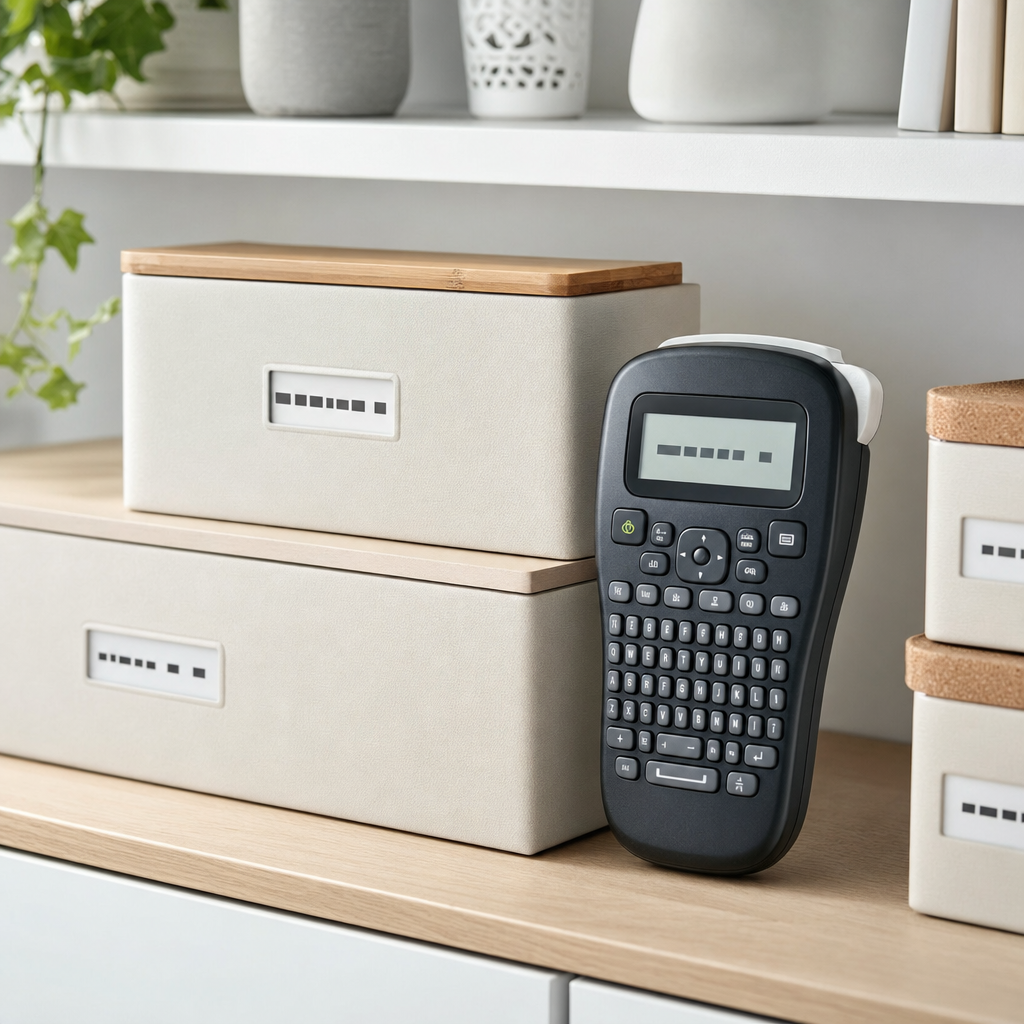
When searching for the best label maker, you will quickly discover that devices range from simple, handheld gadgets designed for quick pantry organization to sophisticated, computer-connectable systems used in industrial warehouses. Basic handheld models usually feature a built-in QWERTY or ABC keyboard, a small monochrome screen, and direct thermal printing capabilities. They are lightweight, battery-operated, and perfect for labeling spice jars, school supplies, and storage bins around the house. These entry-level devices prioritize portability and ease of use over advanced design capabilities, making them accessible to users of all technical skill levels who just want to get things sorted quickly.
On the other end of the spectrum, desktop and PC-connectable label makers offer vastly expanded creative freedom and professional finish. These units often connect to a Windows or Mac computer, or via Bluetooth to a smartphone application, allowing you to incorporate high-resolution graphics, custom fonts, barcodes, and complex layouts. While they may require a bit more setup time and rely on either AC power adapters or rechargeable lithium-ion batteries, they are the preferred choice for small business inventory management, office file systems, and intricate crafting projects. Understanding your primary use case is the fundamental first step in narrowing down the vast array of available options on the market today.
Key Features to Evaluate Before Making a Choice
Evaluating the technical specifications of a labeling device helps ensure it meets your long-term expectations without leading to frustration. Print resolution, measured in dots per inch (DPI), determines how sharp and clear your text and graphics will appear. Standard models usually offer 180 DPI, which is entirely sufficient for plain text labels, while higher-end models push past 300 DPI for crisp logos and intricate symbols. Additionally, consider the maximum tape width the machine can accommodate. Narrow tapes around six millimeters work well for pens and tiny items, whereas twelve to twenty-four millimeter tapes provide ample space for multi-line addresses, warning notices, and heavy-duty property marking.
Power sources and connectivity options also play a significant role in daily convenience and operational costs. Many traditional units run on six AAA batteries, which can drain quickly if you print frequently, making models with rechargeable lithium-ion battery packs a more economical and eco-friendly investment over time. Furthermore, look closely at the user interface. Standalone keyboards with physical buttons are durable and straightforward, but smartphone-integrated apps provide modern conveniences like saving custom templates, cloud syncing, and voice-to-text input. Weighing these features against your budget ensures you select a reliable tool that matches your workflow.
Practical Guidance for Organizing with Labels
Achieving an impeccably organized space requires more than just printing random words; it demands a thoughtful strategy regarding categorization and placement. Before you print a single strip, take time to audit the items in your target area, grouping them logically by frequency of use, seasonal relevance, or owner. Apply consistent naming conventions throughout your home or office to maintain visual harmony. For example, use short, punchy descriptors for storage totes in the garage, but provide more detailed subcategories for office filing cabinets. Establishing a cohesive system prevents visual clutter and ensures that everyone in your household or workplace can easily understand and maintain the organization.
Surface preparation is another critical factor that dictates how long your labels will adhere without peeling or curling at the edges. Always wipe down plastic, metal, wood, or glass surfaces with isopropyl alcohol to remove dust, grease, and manufacturing residues before application. Press the center of the label down firmly and use your thumb to smooth outward toward the edges to eliminate trapped air bubbles. If you are labeling items that will frequently go through the dishwasher, microwave, or outdoor weather conditions, verify that you are using specialized industrial-grade or laminated tapes designed specifically to withstand moisture, extreme temperatures, and UV degradation.
Comparing Tape Types and Thermal Technologies
The longevity and appearance of your printed output depend heavily on the underlying printing technology and the specific tape cartridge you select. Direct thermal printing uses heat-sensitive paper that darkens when heated by the print head, which is affordable and fast but prone to fading over time when exposed to sunlight or intense heat. Thermal transfer printing, conversely, uses a ribbon to melt ink onto the label material, producing exceptionally durable, smudge-proof results that resist fading for years. Knowing the difference helps you choose the right supplies for temporary freezer tags versus permanent asset tags.
Material composition is equally important when matching tapes to specific environments and surfaces around your home or workspace. Standard laminated tapes feature a protective clear polyester overcoat that shields the printed text from water, chemicals, and abrasion. Fabric iron-on tapes are available for clothing labels, while flexible nylon tapes wrap securely around curved electrical cables and wires without lifting. Specialty tapes also include metallic finishes, matte textures, and transparent backgrounds for a sleek, minimalist aesthetic. Selecting the appropriate tape variety guarantees your organizational efforts remain neat, legible, and intact for a very long time.
Common Mistakes to Avoid When Labeling
Even with the best hardware, common pitfalls can compromise your labeling projects and waste expensive consumables. One frequent error is failing to preview the layout before hitting print, which often results in excessive blank tape margins and wasted material. Most modern devices and mobile apps feature print-preview screens or eco-modes that minimize leading and trailing tape lengths. Taking an extra moment to check spelling, font size, and spacing prevents you from having to reprint entire batches, saving both time and money on replacement cartridges.
Another mistake is ignoring environmental factors when selecting tape adhesives and backing materials. Standard paper labels placed on damp bathroom containers or cold garage bins will quickly absorb moisture, wrinkle, and detach from the surface. Always match the adhesive strength and chemical resistance of the tape to the specific conditions of the environment where the item will live. By anticipating challenges like humidity, friction, and temperature fluctuations, you ensure your organizational system remains functional and pristine for years to come.
Frequently Asked Questions
What is the difference between thermal and standard ink printing in label makers?
Thermal label makers use heat to activate special paper or transfer ink from a ribbon, eliminating the need for expensive ink cartridges. This technology creates smudge-free, highly durable text that resists fading, moisture, and everyday wear much better than standard desktop inkjets.
Are expensive label maker tapes worth the cost compared to generic alternatives?
Brand-name tapes are specifically engineered to work seamlessly with your specific device, ensuring proper adhesion, jam-free feeding, and UV resistance. While generic third-party tapes are cheaper, they can sometimes leave sticky residue inside the machine or peel prematurely.
Can I connect a portable label maker to my smartphone or computer?
Many modern compact and desktop label makers feature Bluetooth or USB connectivity. This allows you to use companion smartphone apps or desktop software to design complex labels with custom fonts, symbols, barcodes, and imported graphics easily.
How do I prevent my labels from peeling off plastic containers over time?
To prevent peeling, always clean the application surface thoroughly with rubbing alcohol to remove oils and dust. Press the label down firmly from the center outward to eliminate air bubbles, and choose laminated or heavy-duty industrial tapes for containers handled frequently.
Article Was Generated By AI.