
Understanding Mattress Toppers and Their Primary Purpose
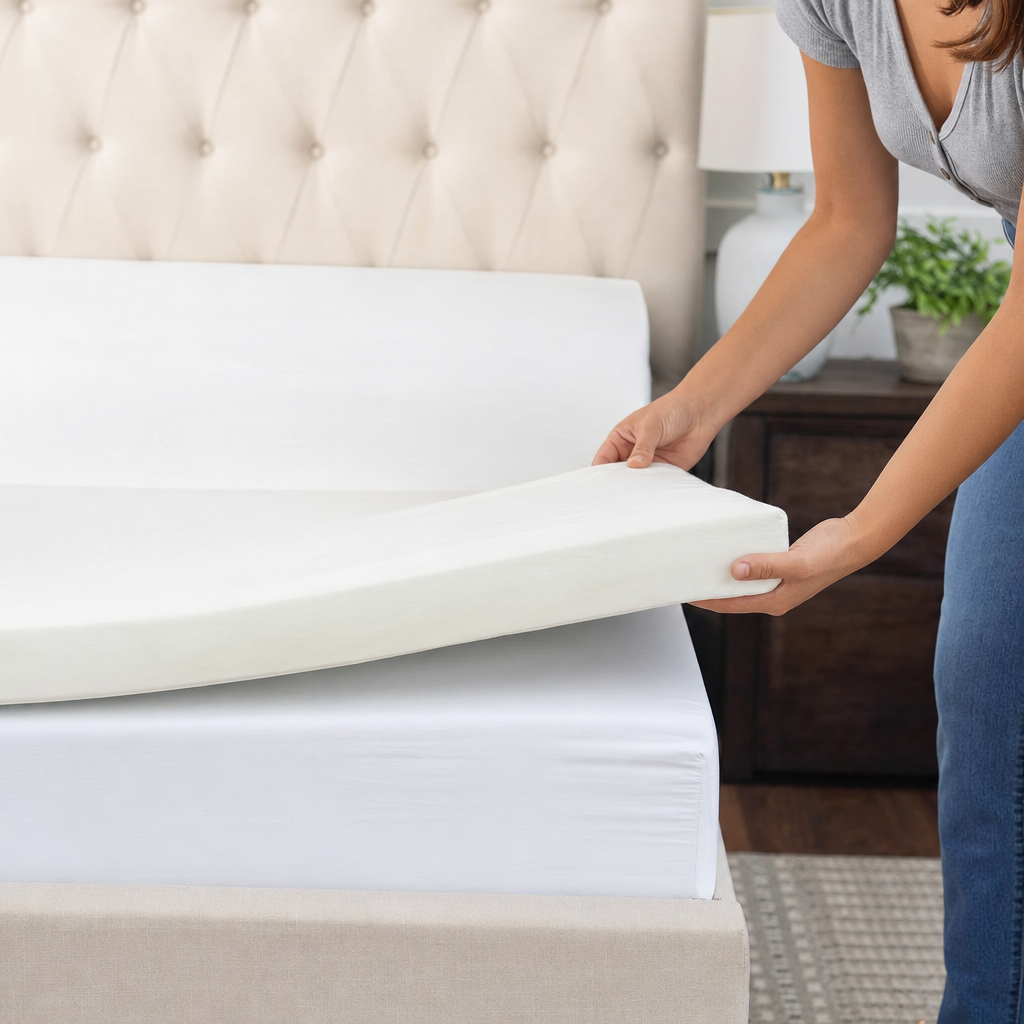
A mattress topper is a removable bedding layer that sits directly on top of your current mattress to modify its overall feel, firmness, and support profile. Unlike a thin mattress pad, which is primarily designed for minor spill protection and slight cushioning, a substantial topper ranges from one to four inches in thickness and fundamentally alters how your bed interacts with your body. Many individuals purchase these accessories when their existing mattress feels too firm, has developed minor sagging, or simply lacks the pressure-relieving qualities necessary for restorative nightly rest without committing to the high expense of purchasing a completely brand-new mattress.
Beyond merely adjusting firmness, these versatile bedding additions can significantly extend the usable lifespan of an aging sleep surface by absorbing the brunt of daily wear and tear. They also serve as an effective solution for guest bedrooms where the permanent mattress might not accommodate the varied personal preferences of visiting friends and family members. By placing a specialized cushioning layer over a firmer or older foundation, you create an adaptable sleep environment that can be easily updated, rotated, or replaced every few years for a fraction of the cost associated with investing in a brand-new high-end mattress system.
Exploring Common Materials Used in Popular Toppers
Memory foam is widely recognized as one of the most popular materials on the market because it contours closely to the unique curves of the human body. This contouring action helps distribute body weight evenly across the entire surface, effectively minimizing pressure buildup around heavy areas like the shoulders, hips, and lower back. However, traditional memory foam has a tendency to trap body heat, which can lead to uncomfortable warmth during warm summer nights. To combat this issue, many manufacturers now infuse their memory foam with cooling gel, copper, or graphite, or they utilize open-cell structures designed to promote continuous airflow throughout the night.
Latex is another prominent material choice, celebrated for its natural buoyancy, durability, and responsive bounce that makes changing sleeping positions significantly easier. Unlike memory foam, which allows you to sink in slowly, latex pushes back against your body weight to provide buoyant support and spinal alignment. Down and feather alternatives offer a plush, cloud-like softness that appeals to individuals who prefer a traditional, luxurious feel rather than deep contouring support. Meanwhile, convoluted egg-crate foam provides an economical option that improves breathability through its textured surface pattern, though it generally compresses much faster than denser solid foam alternatives.
Matching Your Sleeping Position to the Right Thickness and Firmness
Your primary sleeping position plays a critical role in determining which topper density and thickness will deliver the most comfortable and supportive experience. Side sleepers typically require a thicker, softer topper measuring around three inches to cushion the sharp pressure points created by the shoulders and hips pressing down into the mattress. Without adequate cushioning in this position, side sleepers frequently experience numbness in their arms and persistent joint soreness by the time they wake up in the morning, making generous contouring an absolute necessity for their long-term physical comfort and joint health.
Back and stomach sleepers, on the other hand, require a firmer and slightly thinner surface to prevent their hips from sinking too deeply into the bed, which can cause the spine to curve unnaturally. A two-inch medium-firm latex or high-density foam topper usually works best for these individuals, providing enough surface cushioning to alleviate minor stiffness while maintaining the rigid spinal alignment needed to prevent morning back pain. Combination sleepers who shift positions throughout the night should look for responsive materials that allow for effortless movement without leaving deep, restrictive body impressions that make repositioning difficult.
Key Factors to Evaluate Before Making a Selection
Before choosing a topper, you must carefully measure your existing mattress depth and overall condition to ensure the new addition will fit securely underneath your standard fitted sheets. Many thick toppers will cause standard pocket depth sheets to pop off the corners of the bed during the night, requiring you to purchase deep-pocket sheets specifically designed to accommodate the extra height. Additionally, consider how easily the product can be cleaned, as materials like solid memory foam cannot be machine washed and usually require spot cleaning with mild detergent, whereas down-alternative or quilted versions may be fully launderable.
Temperature regulation is another vital consideration, especially for individuals who naturally sleep hot or reside in warm climates without air conditioning. Breathable cotton covers, ventilated foam channels, and phase-change materials actively work to dissipate excess body heat and maintain a neutral microclimate throughout your slumber. It is also wise to check whether the product features a non-slip backing or elastic anchor straps to prevent the topper from sliding around or shifting off-center every time you get in and out of bed during the night.
Practical Steps for Testing and Maintaining Your Topper
Once you acquire a new topper, proper initial setup and ongoing maintenance will maximize its comfort and preserve its structural integrity over the years. New foam products often emit a harmless chemical odor known as off-gassing when first removed from their airtight packaging, which requires unrolling the item in a well-ventilated room for twenty-four to forty-eight hours before sleeping on it. Rotating the topper from head to foot every few months prevents premature body impressions from forming in one specific spot, ensuring even wear across the entire surface and extending the useful lifespan of the material.
To help you navigate the maintenance process effectively, consider the following practical care guidelines for keeping your bedding fresh and supportive:
- Use a washable protective cover to shield the topper from dust mites, sweat, and accidental spills.
- Spot clean memory foam and latex gently with a damp cloth and mild soap, avoiding harsh chemical solvents.
- Air out foam toppers periodically in indirect sunlight to eliminate trapped moisture and residual odors.
- Rotate the orientation of the topper every three to six months to promote even compression and wear.
Frequently Asked Questions About Mattress Toppers
Can a mattress topper completely fix a sagging mattress?
A topper can temporarily improve surface comfort on a sagging mattress by adding a fresh cushioning layer. However, it cannot correct structural support loss in the core foundation, meaning severe sagging will eventually push through the topper over time.
How do I keep my topper from sliding around on the bed?
Many models come with elastic corner straps or rubberized non-slip bottom surfaces to prevent shifting. If yours does not, placing a thin mesh rug pad underneath the topper works exceptionally well to keep it securely in place.
What is the typical lifespan of a quality mattress topper?
Most well-maintained toppers last between three and five years depending on the quality of the material. Latex and high-density memory foam tend to last longer, while feather and lower-density foam options degrade more quickly.
Will a thick topper make me sleep significantly warmer?
Dense materials like traditional memory foam tend to retain body heat because they restrict airflow. Choosing gel-infused foam, latex, or breathable open-cell designs can effectively mitigate heat retention and keep you comfortable.
Article Was Generated By AI.