
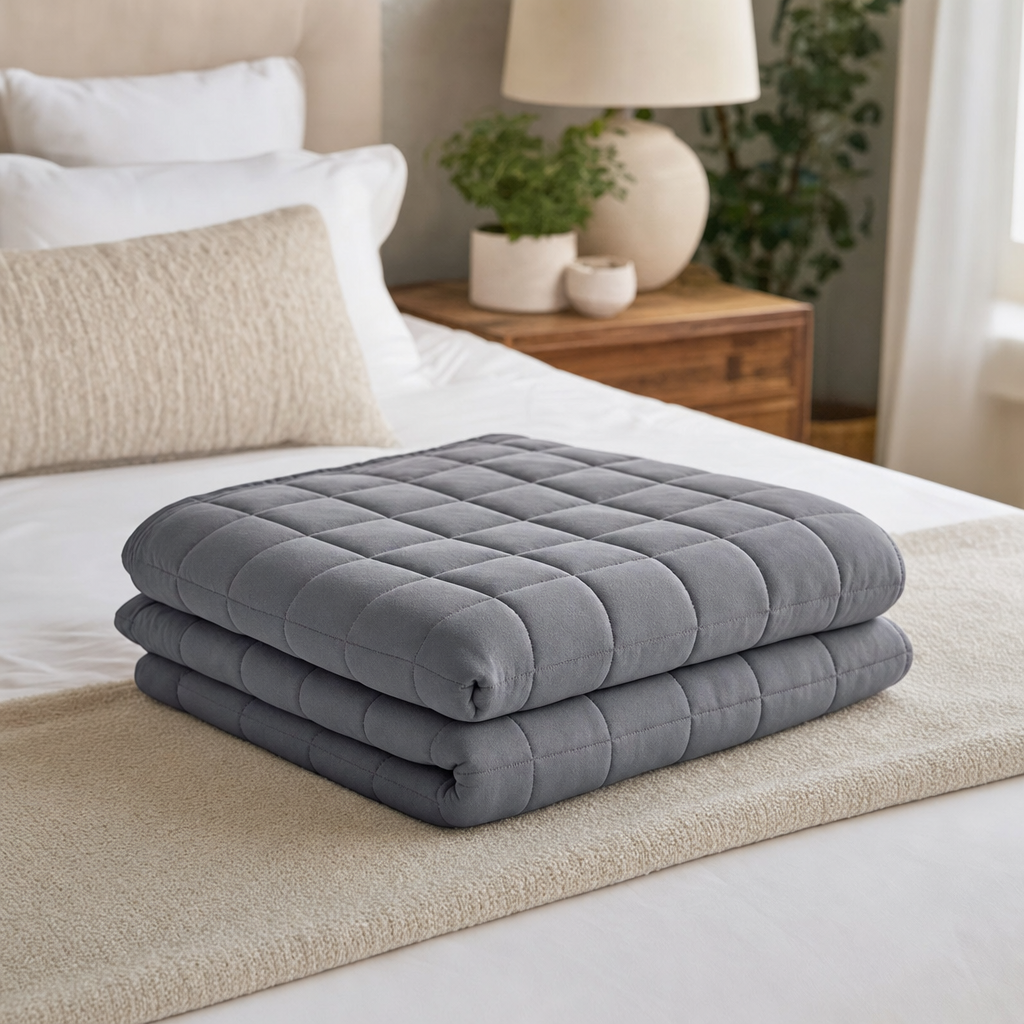
Understanding the Appeal of Weighted Blankets
When searching for the best weighted blanket, many people are looking to improve their overall relaxation and sleep quality during the night. These specialized covers incorporate small glass beads, plastic pellets, or steel shot within sewn compartments to distribute evenly distributed pressure across the entire body. This physical sensation mimics a therapeutic technique known as deep pressure stimulation, which many users find deeply comforting after a long and stressful day. Unlike traditional comforters that rely solely on fluffy insulation for warmth, weighted blankets use physical mass to create a snug, grounding feeling that envelops the sleeper completely.
The historical origins of these heavy covers trace back to clinical settings where occupational therapists utilized them for sensory integration therapy. Over time, consumer manufacturers recognized the broad appeal of this calming technology and adapted the designs for everyday home use. Today, finding the ideal option involves evaluating personal preferences regarding temperature regulation, fabric texture, and overall aesthetic appeal in a bedroom setting. By understanding the core mechanics behind these heavy textiles, shoppers can better determine which specific construction features align with their nightly comfort goals and sensory preferences.
Key Factors in Choosing the Right Weight
Selecting the correct weight is arguably the most critical step when shopping for the best weighted blanket for your physical frame. The general industry guideline suggests choosing a product that equals roughly ten percent of your total body weight, plus or minus a few pounds depending on individual preference. For example, a person weighing one hundred and fifty pounds typically finds a fifteen-pound variant to be the most comfortable and effective balance. Straying too far from this general formula can result in a product that feels either overwhelmingly restrictive or completely unnoticeable during sleep.
It is also essential to consider whether the product will be shared with a partner or used exclusively by a single individual. If two people plan to share the blanket on a queen or king-sized bed, the total weight should still be calculated based on the weight of the primary user rather than combined body mass. Furthermore, children, elderly individuals, and anyone with specific respiratory or mobility concerns should consult a healthcare professional before using heavy bedding. Ensuring the weight is appropriate prevents any safety risks and guarantees a pleasant, restorative resting experience every single night.
Materials, Fabrics, and Temperature Control
The choice of outer fabric plays a massive role in determining whether a weighted blanket will keep you cozy or cause you to overheat. Breathable natural fibers like organic cotton and bamboo-derived rayon are exceptionally popular for hot sleepers because they promote airflow and wick away moisture effectively. On the other hand, plush materials such as minky fleece or velour offer a velvety, ultra-soft texture that provides immediate warmth during cold winter months. Evaluating your bedroom climate and personal thermal regulation tendencies will help narrow down the vast array of textile choices available on the modern market.
Beyond the outer shell, the internal fill material dictates both the durability and the tactile feel of the blanket during movement. High-density micro-glass beads are currently the gold standard because they are dense, silent, and allow for smaller, more evenly distributed pockets. Plastic poly pellets are another common filling, though they can sometimes retain heat and create slight rustling noises when shifting positions. Paying close attention to the quilting pattern—such as smaller box stitches—ensures the internal filling remains securely in place without bunching up in one corner over time.
Here are the primary fabric types to consider when evaluating your options:
- Cotton: Highly breathable, durable, and suitable for year-round temperature control.
- Bamboo: Moisture-wicking and exceptionally cool to the touch, ideal for hot sleepers.
- Minky Fleece: Plush, textured, and designed for maximum warmth and sensory comfort.
- Linen: Lightweight and airy with a relaxed, textured aesthetic for minimalist bedrooms.
Sizing and Dimensions for Different Beds
Many first-time buyers make the mistake of purchasing a weighted blanket that matches their exact mattress dimensions, which can actually cause the blanket to slide off the edges. Unlike traditional duvets that drape loosely over the sides of a bed, the best weighted blankets are typically designed to fit the top surface of the sleeper rather than the entire mattress. This intentional sizing prevents gravity from pulling the heavy material toward the floor, keeping the weight centered directly over your body where it provides the intended calming pressure.
Standard sizing options usually range from smaller lap pads measuring around forty by sixty inches up to larger queen and king sizes. If you primarily use the blanket while relaxing on the couch or reading in an armchair, a smaller throw size is usually the most practical choice. For bed use, selecting a size that covers your personal body span without hanging excessively over the edges ensures optimal weight distribution. Always check the manufacturer specifications for exact measurements and weight distribution maps before making a final purchasing decision.
Maintenance, Care, and Cleaning Guidelines
Proper maintenance is essential for extending the lifespan of your weighted blanket and keeping the fabric fresh and hygienic. Because washing a heavy textile can strain standard household washing machines, checking the care label before attempting any cleaning is an absolute necessity. Many models feature a removable, washable outer cover secured by zippers or ties, which makes routine cleaning as simple as tossing the cover into a standard washing cycle. This clever design protects the heavier inner weighted layer from frequent exposure to water and detergent.
When the inner weighted layer itself requires cleaning, commercial laundromat machines with higher load capacities are often recommended over residential units to prevent motor damage. Air drying is generally preferred for both covers and inner layers to preserve fabric elasticity and prevent the degradation of internal synthetic materials or stitching. Utilizing a protective duvet cover even on non-removable models can drastically reduce the frequency of deep washes, keeping your heavy comfort investment clean with minimal daily effort.
Frequently Asked Questions
How do I know which weight is right for me?
A common guideline is to choose a blanket that represents about ten percent of your total body weight. If you fall between standard sizes, most experts recommend rounding up to the nearest available weight increment.
Can weighted blankets be safely washed in a home washing machine?
It depends entirely on the total weight of the blanket and your machine capacity. Many heavy blankets exceed standard household washing limits, so using a removable duvet cover or visiting a laundromat is often advised.
Are weighted blankets suitable for hot sleepers?
Yes, provided you select the right materials. Look for blankets made from breathable fabrics like bamboo or organic cotton and filled with glass beads rather than heat-trapping synthetic polyfill.
Can children use weighted blankets?
Children can use them safely, but the weight must be appropriately scaled down. It is vital to ensure the child can easily remove the blanket themselves, and consulting a pediatrician beforehand is recommended.
Article Was Generated By AI.