
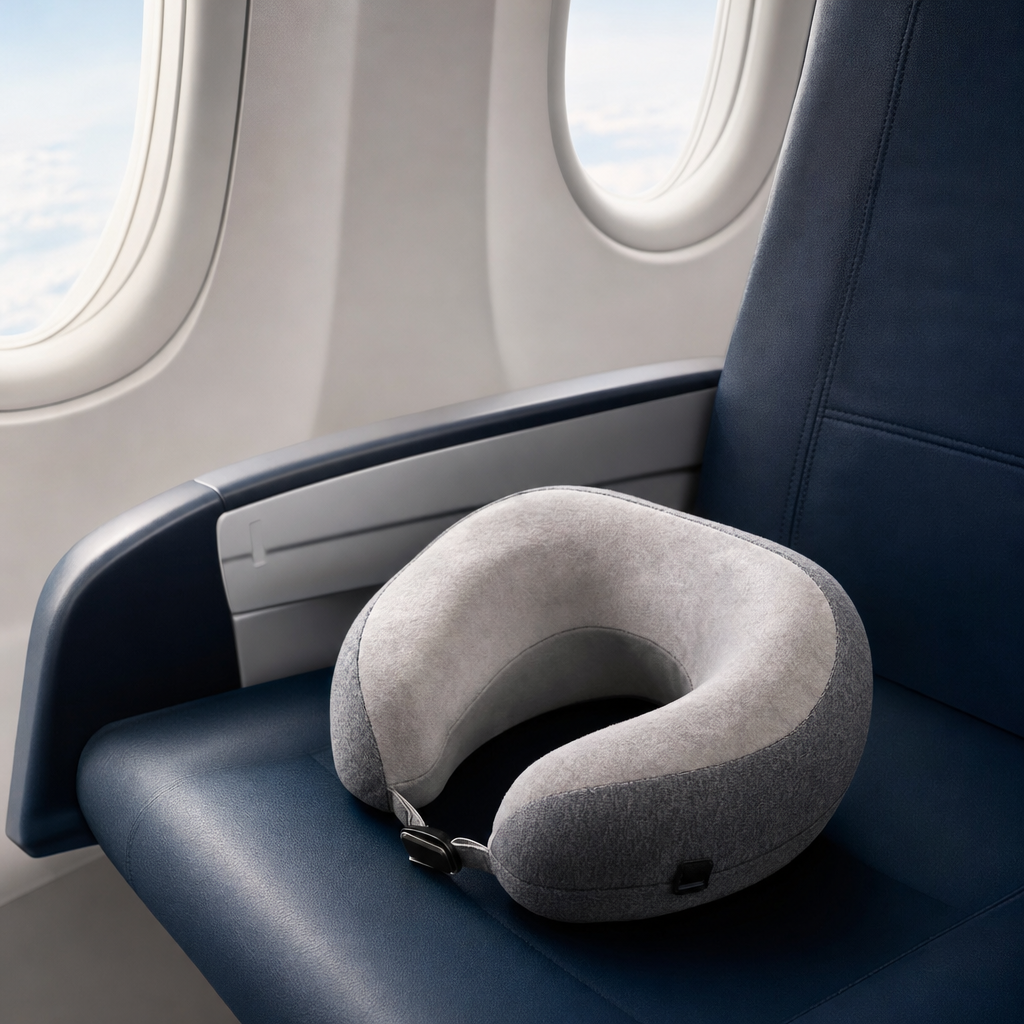
Understanding the Importance of Travel Support
When embarking on long flights, train rides, or road trips, maintaining proper neck alignment is essential for arriving at your destination without stiffness or chronic discomfort. Many travelers underestimate the toll that cramped seating takes on the cervical spine, leading to sudden pain and fatigue. A well-chosen support cushion acts as a stabilizing barrier against uncomfortable seats, sudden turbulence, and awkward sleeping angles. By bridging the gap between your head and the headrest, you prevent your neck from slumping dangerously forward or tilting too far to the side during transit.
Furthermore, poor rest during travel can disrupt your circadian rhythm and drain your energy reserves right when you need them most for exploring or conducting business. Investing time into researching and selecting a supportive cushion transforms a grueling journey into an opportunity for restorative relaxation. Chronic travelers often report that having a reliable neck cushion drastically improves their overall transit experience, allowing them to step off airplanes feeling refreshed rather than completely exhausted. Ultimately, prioritizing your physical comfort on the road is an investment in your well-being and travel enjoyment.
Exploring Common Materials and Designs
The market offers a wide variety of designs, each utilizing different core materials designed to cater to specific ergonomic preferences and sleeping habits. Memory foam options have gained immense popularity because they contour precisely to the unique contours of your neck and shoulders, offering personalized pressure relief. However, traditional inflatable models remain a favorite for minimalist packers due to their featherlight weight and ability to deflate completely into a tiny pouch when not in use. Microbead alternatives provide a plush, squishy feel that easily shifts and molds around your face, though they tend to lose volume and supportive firmness over extended periods of usage.
Beyond the core material, the exterior fabric plays a vital role in temperature regulation and overall sensory comfort during long hours of resting. Breathable cotton and moisture-wicking synthetic blends prevent overheating and uncomfortable sweating, which is particularly crucial in stuffy airplane cabins or warm climates. Removable and washable outer covers are another critical feature to consider, as travel accessories inevitably accumulate dust, oils, and general grime from various transit environments. Evaluating both internal support structures and external fabric properties ensures you select a cushion that remains hygienic and comfortable trip after trip.
Matching Your Sleeping Style to Your Gear
Every individual sleeps differently, and your unique posture requirements should heavily dictate which support accessory will serve you best on the road. Window seat sleepers often prefer asymmetrical cushions that offer high lateral walls to lean against, preventing the head from banging against cold airplane walls. Conversely, aisle or middle seat passengers might benefit from chin-supporting collars that prevent the head from bobbing forward when deep sleep sets in and muscles fully relax. Side sleepers generally require thicker, firmer foam models to maintain neutral spine alignment, whereas back sleepers often find relief with lower-profile options.
It is also wise to consider how your chosen cushion integrates with your existing travel clothing, such as bulky winter coats or collared shirts. A bulky wrap might feel restrictive if you are wearing heavy layers, whereas a slim wrap-around design might lack the robust structure needed for tall individuals. Taking the time to test different configurations at home before your departure date allows you to identify potential pressure points or awkward fits in advance. By aligning your personal biomechanics with the right ergonomic design, you significantly increase the likelihood of achieving deep, uninterrupted sleep while traveling.
Practical Packing and Maintenance Strategies
Once you have selected a supportive neck cushion, figuring out how to transport it efficiently without cluttering your carry-on luggage is the next hurdle. Many rigid memory foam models come with compression sacks that reduce their volume by half, though you should never store foam in a compressed state for months on end. Alternatively, wrapping your cushion around the exterior handle of your rolling suitcase using an integrated snap strap keeps it accessible without consuming precious interior packing space. Keeping your gear secure and clean prevents it from picking up airport floor dirt while rushing between connecting flights and busy terminal gates.
Maintenance is equally important for longevity, as travel accessories are frequently exposed to variable climates, crowded spaces, and airborne allergens. Establishing a routine cleaning schedule immediately after returning from a trip ensures that your gear stays fresh and free of lingering odors or accumulated bacteria. Most fabric covers can be safely machine washed on a gentle cycle, but you should always check the manufacturer tag to avoid damaging delicate internal waterproof linings or electronic massage components. Proper storage in a cool, dry place between journeys prevents mold growth and preserves the structural integrity of foam and filling materials.
Evaluating Key Features Before Choosing
When comparing various options on the market, it helps to create a mental checklist of non-negotiable features that match your specific itinerary demands. Weight and packability are paramount for backpackers and frequent flyers who adhere to strict airline baggage restrictions and prefer traveling light with minimal gear. On the other hand, road trippers and train commuters can prioritize maximum plushness and bulkier ergonomic support since space constraints inside vehicles are rarely as tight as airplane overhead bins. Assessing durability, ease of adjustment, and warranty offerings will also guide you toward a reliable product that withstands the rigors of frequent global mobility.
To simplify your evaluation process, consider the following key comparison points when reviewing potential support accessories for your upcoming travel adventures.
- Portability: Check if the item compresses, rolls up, or attaches easily to the outside of your backpack.
- Support Type: Determine whether you need chin support, lateral stabilization, or full 360-degree neck wrapping.
- Hygiene: Verify that the outer cover is easily removable and machine washable for post-trip cleaning.
- Climate Control: Look for breathable fabrics or cooling gel inserts if you tend to run warm during sleep.
By systematically reviewing these essential criteria, you can cut through marketing hype and focus on the functional elements that genuinely improve rest. Remember that the most expensive option is not automatically the best fit for your unique body type and travel style. Taking a thoughtful, analytical approach ensures that your chosen accessory delivers lasting comfort and reliability across countless miles of travel.
Frequently Asked Questions About Travel Pillows
What is the best type of travel pillow for neck pain?
Memory foam models with ergonomic contours or chin-supporting structures are generally best for alleviating neck pain because they maintain proper spinal alignment and prevent the head from falling forward awkwardly during sleep.
Are inflatable travel pillows worth considering?
Inflatable models are ideal for minimalist packers and budget-conscious travelers due to their extremely lightweight and compact nature. However, they lack the plush cushioning and contouring pressure relief found in solid memory foam alternatives.
How should I clean and maintain my travel pillow?
Always check the manufacturer care label first. Most removable fabric covers can be machine washed on a gentle cycle, while the internal foam core should typically be spot cleaned with a damp cloth and mild soap, then air dried.
How can I attach a travel pillow to my luggage without losing it?
Many modern travel cushions feature integrated snap straps, elastic loops, or compression bags with carabiners. You can easily loop these features around the telescoping handle or exterior daisy chains of your rolling suitcase.
Article Was Generated By AI.